Teaching Philosophy
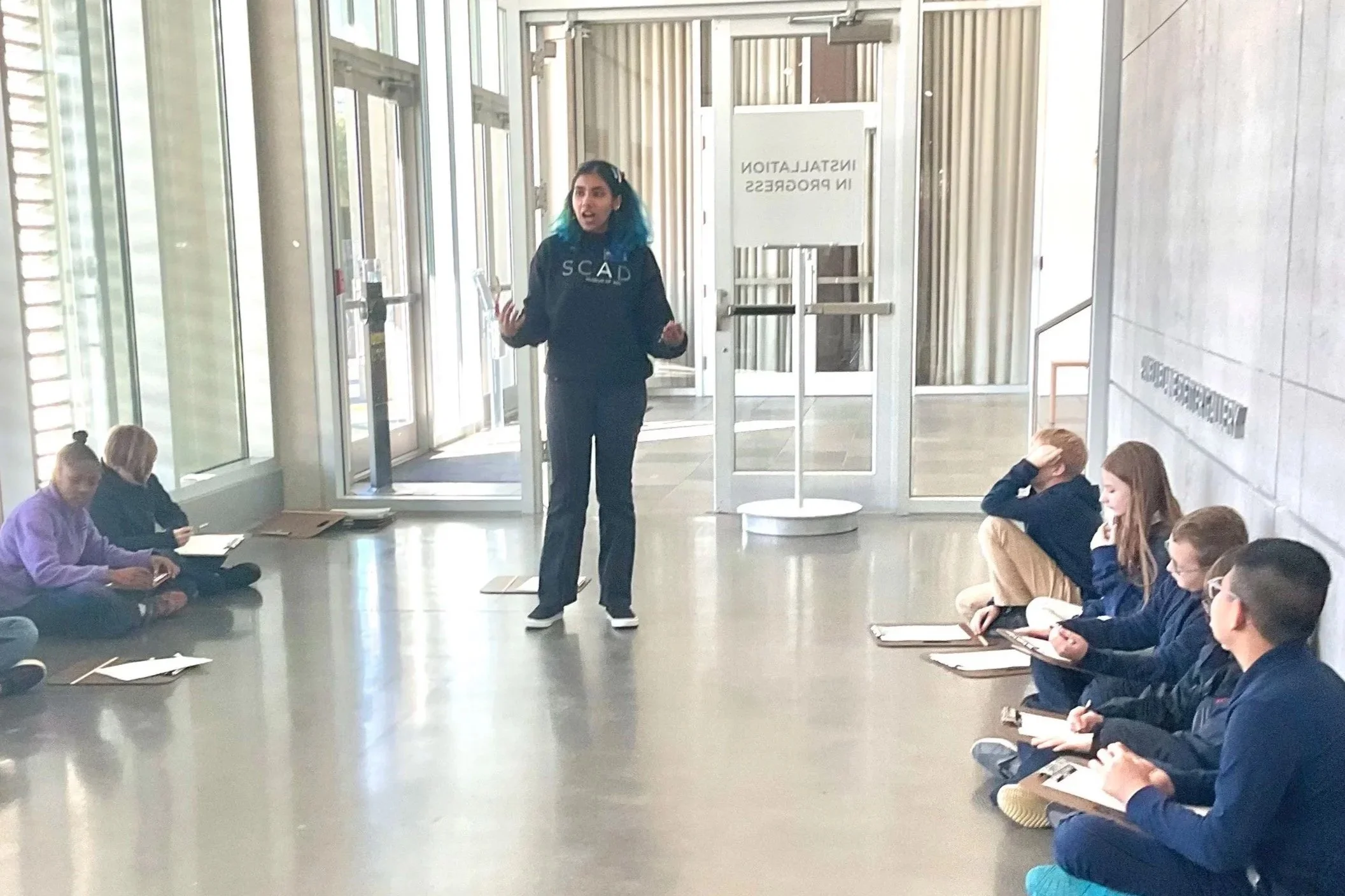
I believe visual literacy is a kind of superpower. The ability to draw, design, and communicate through images gives us another way of observing the world, expressing ideas, and telling stories that only we can tell. My role as an educator is not to simply teach technical skills, but to help students become independent makers who can develop ideas, embrace revision, and use visual language for themselves.
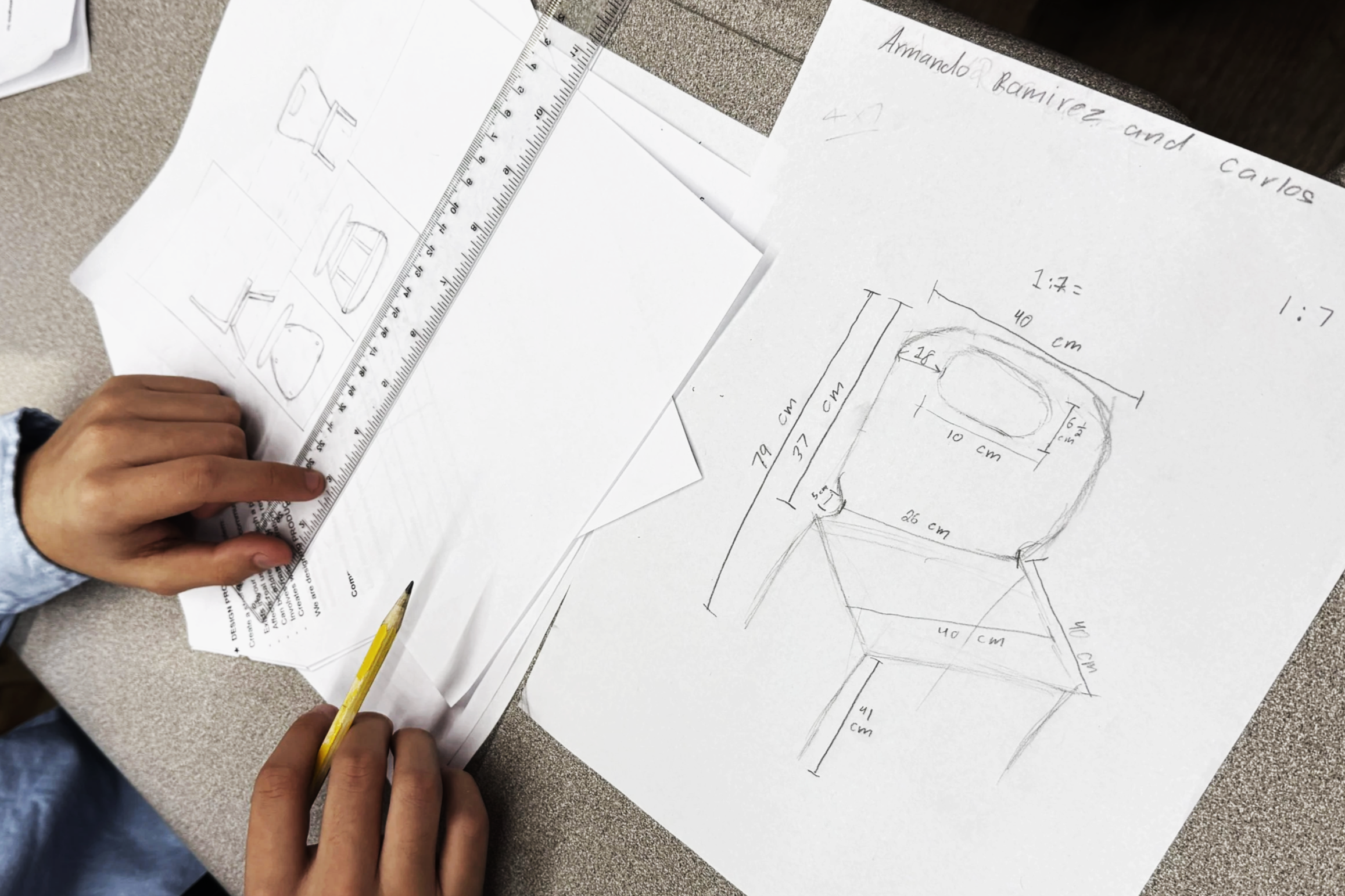
As a practicing illustrator with a background in Creative Education and Sequential Art, I believe that art is more than a subject, it is a way of thinking and making associations. Whether students are designing a product, painting a self-portrait, or storyboarding a comic, I encourage them to think beyond how something looks and ask why they are making it, who it is for, and what story it tells. During critiques, we often draw connections between student work and films, comics, animation, games, architecture, and everyday life, because I want students to recognise that creativity does not exist within the boundaries of a single discipline.
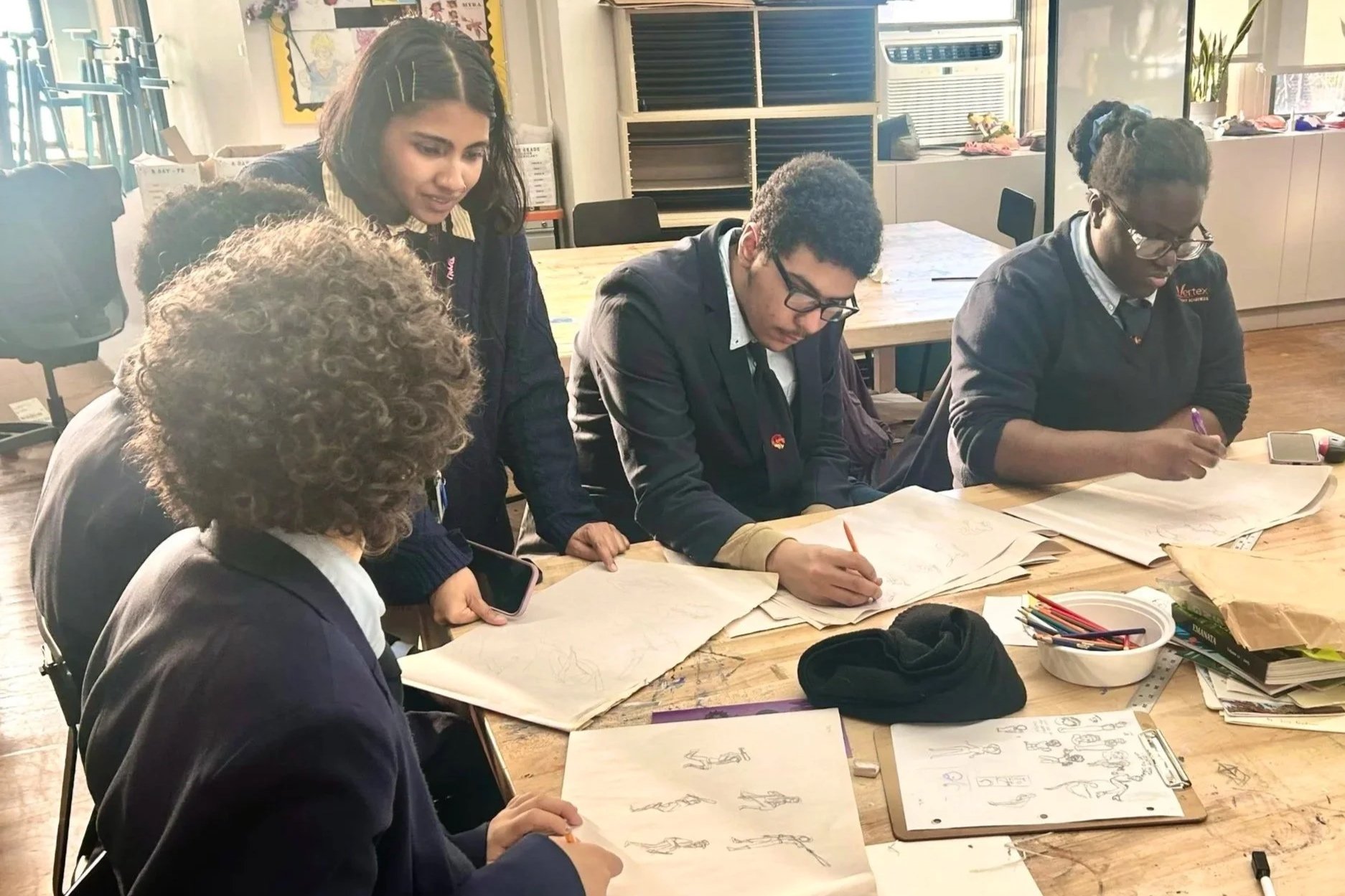
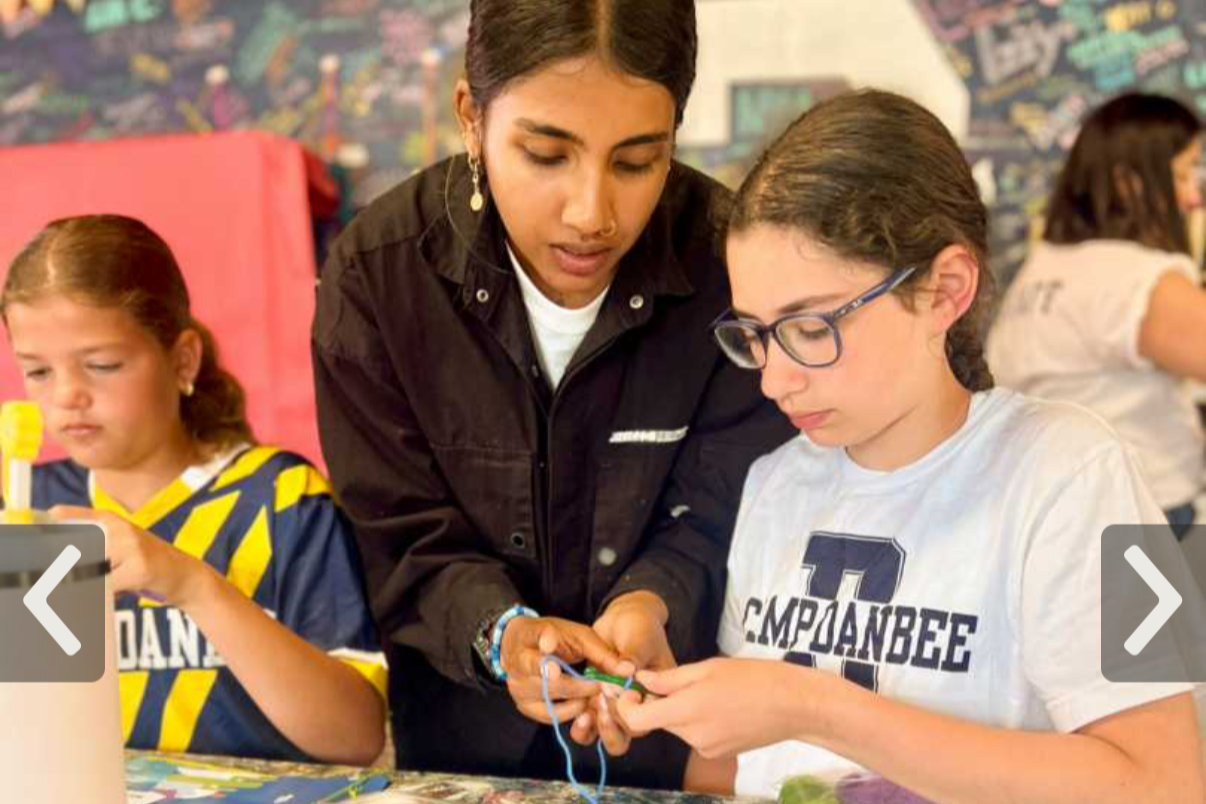
One of the biggest lessons I learnt during my first year of teaching was that a classroom is never simply just one unit, it is a collection of individuals. I once taught a student who struggled with every drawing assignment and rarely wanted to participate. A month later, during a self-portrait project, I noticed he had an exceptional eye for mixing colour. I began asking him to help classmates match their skin tones, and before long the class affectionately referred to him as our "colour picker." His confidence grew because someone had recognised a strength he did not know he had. That experience changed the way I teach. I have learnt that students are far more willing to challenge themselves when they feel seen, and that supporting individual learners does not mean lowering expectations, it means helping each student find their own way to meet them.
Ultimately, I hope my students leave my classroom with the confidence to open a blank sketchbook without being intimidated by the empty page. If they leave believing that creativity is not a talent reserved for a few, but a way of thinking that grows through observation, persistence, and practice, then I believe they will carry those lessons with them long after they leave my classroom.